Feuchtigkeit ist der stille Zerstörer von Bauprojekten. Bauherren, die mit anschwellenden Paneelen, verrosteten Stahlpfosten oder Schimmel, der sich hinter Wänden ausbreitet, zu kämpfen hatten, führen das Problem oft auf eine Ursache zurück: das falsche Plattenmaterial. Sulfat-MgO-Platte – auch Magnesiumoxidsulfat-Board oder Magnesiumsulfat-MgO-Board genannt – wurde speziell entwickelt, um diese Fehlerquellen zu beseitigen. Folgendes müssen Sie wissen, bevor Sie es angeben.
Was ist Sulfat-MgO-Platte und warum ist die Chemie wichtig?
Die meisten Leute im Baugewerbe sind mit Standard-MgO-Platten vertraut. Was weniger versteht, ist, dass es auf dem Markt zwei grundlegend unterschiedliche Arten gibt, die nur durch eine einzige Zutat getrennt sind: das Bindemittel.
Herkömmliche MgO-Platten verwenden Magnesiumchlorid (MgCl₂) als Bindemittel. Sulfat-MgO-Platte ersetzt dieses Chlorid durch Magnesiumsulfat (MgSO₄). Bei dieser Änderung handelt es sich nicht um eine geringfügige Änderung der Formulierung – sie verändert das Verhalten der Platine im Feld über ihre gesamte Lebensdauer.
Die Chloridversion hat eine gut dokumentierte Schwäche: Sie ist hygroskopisch, das heißt, sie entzieht der Luft aktiv Feuchtigkeit. In Klimazonen über 70 % relativer Luftfeuchtigkeit können Chloridplatten so viel Wasser absorbieren, dass sich auf der Oberfläche soleartige Tröpfchen bilden – ein Phänomen, das Installateure als „Schwitzen“ oder „Weinen“ bezeichnen. Diese Feuchtigkeit ist ätzend. Es greift verzinkte Stahlrahmen, Kupferrohre und Aluminiumschienen innerhalb von Jahren und nicht Jahrzehnten an. Bei Sulfat-MgO-Platten tritt dieses Problem nicht auf. Magnesiumsulfat ist nicht hygroskopisch, sodass die Platte auch in küstennahen oder tropischen Umgebungen formstabil und trocken bleibt.
Kernleistungseigenschaften
Über das Feuchtigkeitsverhalten hinaus bietet Sulfat-MgO-Platte eine Reihe starker Leistungsmerkmale, die sie bei den meisten Gebäudehüllenanwendungen mit Zementplatten, Gipsplatten und Sperrholz konkurrenzfähig oder sogar überlegen machen.
- Feuerwiderstand: Sulfat-MgO-Platte achieves EN13501-1 A1 non-combustible classification. It remains structurally intact at temperatures that would compromise most wood-based panels. In wall assembly testing, a single layer on each side of a steel-stud partition delivers 60 to 90 minutes of fire resistance.
- Chloridfreie Korrosion: Da die Platte chloridfrei ist, können standardmäßige verzinkte Schrauben und leichte Stahlrahmen verwendet werden, ohne dass das Risiko einer beschleunigten Korrosion besteht – ein wichtiger Kosten- und Wartungsaspekt bei Stahlrahmenkonstruktionen.
- Feuchtigkeits- und Schimmelbeständigkeit: Die Platte quillt nicht auf, verzieht sich nicht und löst sich nicht auf, wenn sie Wasser ausgesetzt wird. Es ist von Natur aus resistent gegen Schimmel und Mehltau, was für Badezimmerwände, Bodenbeläge und Außenverkleidungen in feuchten Klimazonen wichtig ist.
- Strukturfestigkeit: Hochwertige Sulfat-MgO-Platten sind in der Regel mit Glasfasernetzschichten verstärkt, was ihr eine Schlagfestigkeit und Biegefestigkeit verleiht, die die von Gips-Trockenbauwänden um ein Vielfaches übertrifft.
- Bearbeitbarkeit: Die Platten können geritzt und gestanzt, mit Standard-Hartmetallklingen geschnitten, gestrichen, gefliest oder laminiert werden – was sie in vielen Baugruppen zu einem direkten Ersatz für Gips-, Zement- oder OSB-Platten macht.
Die BMSC 517 Weiterentwicklung
Nicht alle Sulfat-MgO-Platten sind gleich. Die bedeutendste jüngste Entwicklung in dieser Kategorie ist die Basische Magnesiumsulfat-Zement-Phase (BMSC) 517 Technologie – eine Formulierung, die eine reinere, stabilere Kristallstruktur erzeugt als frühere Sulfatplattengenerationen.
Das 517-Phasen-Produkt erreicht eine Wasserlöslichkeit von nur 0,034 g/100 g und liegt damit hinsichtlich der Feuchtigkeitsstabilität auf Augenhöhe mit Portlandzement. Frühere Magnesiumoxysulfat-Platten verwendeten die 3·1·8-Phase, die eine höhere Löslichkeit und daher eine etwas geringere Langzeitwasserbeständigkeit aufwies. Die 517-Phasen-Formulierung schließt diese Lücke und sorgt gleichzeitig für eine frühe Festigkeitsentwicklung und ein hervorragendes Brandverhalten.
Jinpeng-Gruppe BMSC 517 Neue Sulfat-MgO-Platte wurde mit Unterstützung der Chinesischen Akademie der Wissenschaften und in Zusammenarbeit mit Institutionen aus China und Deutschland entwickelt. Das Ergebnis ist eine Platte, die für die Verwendung als strukturelle Außenwandverkleidung, Unterbodenverkleidung und Dachverkleidung zertifiziert ist – Anwendungen, die eine höhere Scherfestigkeit und langfristige strukturelle Integrität erfordern als Innentrennwände.
Wo Sulfat-MgO-Platten spezifiziert werden
Das Material ist vielseitig genug, um sowohl Struktur- als auch Endbearbeitungsanwendungen abzudecken. In der Praxis tritt es am häufigsten in diesen Szenarien auf:
- Außenwandverkleidung auf Stahlrahmen- oder Holzrahmenkonstruktionen, bei denen es auf Feuerbeständigkeit und Witterungsbeständigkeit ankommt. Die MagMatrix MgO-Wandverkleidungsplatten-Sortiment deckt Multi-Support- und Strukturanwendungen für diesen Anwendungsfall ab.
- Unterboden und Unterlage im Mehrfamilien- und Modulbau, wo das Eindringen von Feuchtigkeit von unten ein anhaltendes Problem darstellt. Produkte wie die MagMatrix MgO-Unterbodenverkleidungsplatte sind tragfähig und mit Fliesen-, Vinylplanken- und Hartholzoberflächen kompatibel.
- Dekorativer Träger für den Innenbereich für feuerbeständige Laminatplatten, bei denen ein stabiler, nicht brennbarer Untergrund unter dekorativen Hochdruckoberflächen erforderlich ist.
- SIPs (Structural Insulated Panels) Verkleidung und ersetzt OSB-Verkleidungen durch eine nicht brennbare Alternative.
- Nassbereiche – Badezimmer, Großküchen und Poolumgebungen – wo traditionell Zementplatten verwendet werden, wo jedoch das geringere Gewicht und das geringere Chloridrisiko von Sulfat-MgO-Platten Vorteile bieten.
Sulfat-MgO-Platte im Vergleich zu konkurrierenden Materialien: Ein praktischer Vergleich
Leistungsvergleich gängiger Ummantelungs- und Trägerplattenmaterialien | Eigentum | Sulfat-MgO-Platte | Chlorid-MgO-Platte | Gipskarton | Zementplatte |
| Brandschutzklasse | A1 Nicht brennbar | A1 Nicht brennbar | Klasse A (begrenzt) | Nicht brennbar |
| Feuchtigkeitsbeständigkeit | Ausgezeichnet – zieht nicht ein | Schlecht – hygroskopisch | Schlecht – degradiert | Gut |
| Risiko von Metallkorrosion | Keine (chloridfrei) | Hoch | Niedrig | Niedrig |
| Gewicht | Leicht bis mittel | Leicht bis mittel | Licht | Schwer |
| Schimmelresistenz | Ausgezeichnet | Mäßig | Arm | Gut |
Was Sie beim Kauf beachten sollten
Sulfat-MgO-Platten sind zu einer breiten Kategorie geworden, und die Qualität variiert. Fordern Sie vor dem Kauf folgende Unterlagen vom Lieferanten an:
- Ein Testbericht zum Chloridgehalt, der bestätigt, dass das Board wirklich chloridfrei ist
- Ein unabhängiges Brandschutzzertifikat (EN13501-1 A1 oder ASTM E136, nicht brennbar, je nach Markt)
- Daten zur strukturellen Scherprüfung, wenn die Platte als Wand- oder Unterbodenverkleidung verwendet wird (ASTM E72 oder gleichwertig)
- Ein Code Compliance Research Report (CCRR) oder eine gleichwertige lokale Zertifizierung, sofern Ihre Bauvorschriften dies erfordern
Die Jinpeng Group veröffentlicht ihre vollständige Testbibliothek – einschließlich Intertek CCRR-0457, ASTM E119 zweistündige Brandschutzberichte und EN13501-1 A1 FL-Bewertungen für Unterbodenplatten – über ihren Testbericht und ihre Zertifizierungsseite. Dieses Maß an Dokumentationstransparenz ist eine vernünftige Grundvoraussetzung, die man von jedem seriösen Lieferanten erwarten kann.
Das Fazit
Sulfat-MgO-Platten lösen die beiden hartnäckigsten Probleme herkömmlicher MgO-Platten: feuchtigkeitsbedingtes Schwitzen und Chloridkorrosion von Metallrahmen. Bei Projekten in feuchten Klimazonen, in Küstengebieten oder bei Stahlrahmenkonstruktionen ist die Umstellung von der Chlorid- auf die Sulfatchemie kein Luxus, sondern ein Risikomanagement. Die BMSC 517-Phasenformulierung legt die Messlatte noch höher, indem sie eine Feuchtigkeitsstabilität auf Portlandzementniveau sowie eine Brandschutzklasse A1 und strukturelle Scherfestigkeit bietet. Wenn Sie eine Ummantelung oder Trägerplatte für einen Bau benötigen, der jahrzehntelang ohne Wartungsüberraschungen funktionieren muss, sollten Magnesiumoxidsulfat-Platten ernsthaft in Betracht gezogen werden.




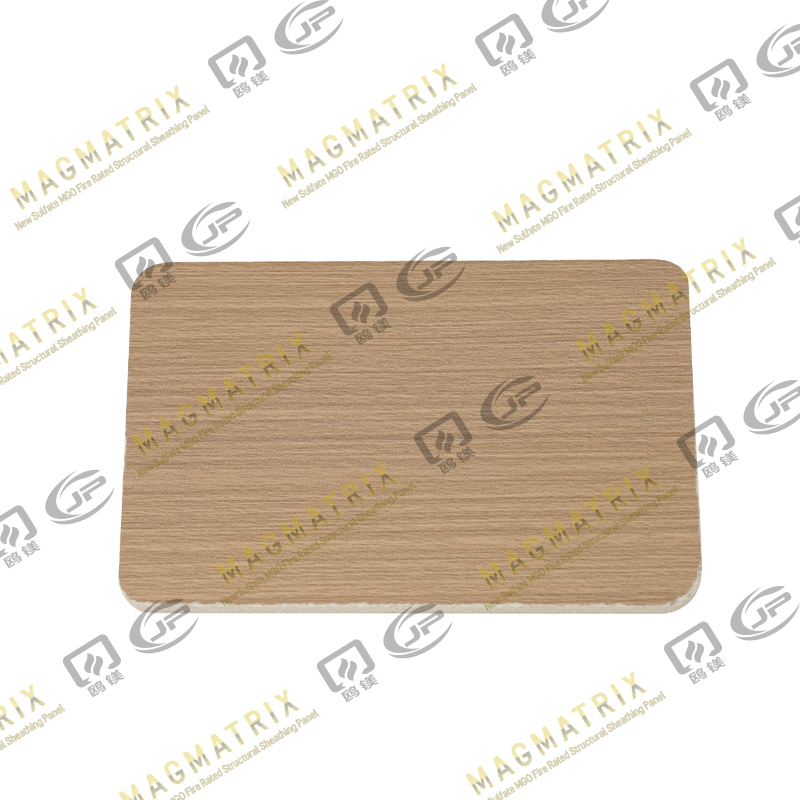
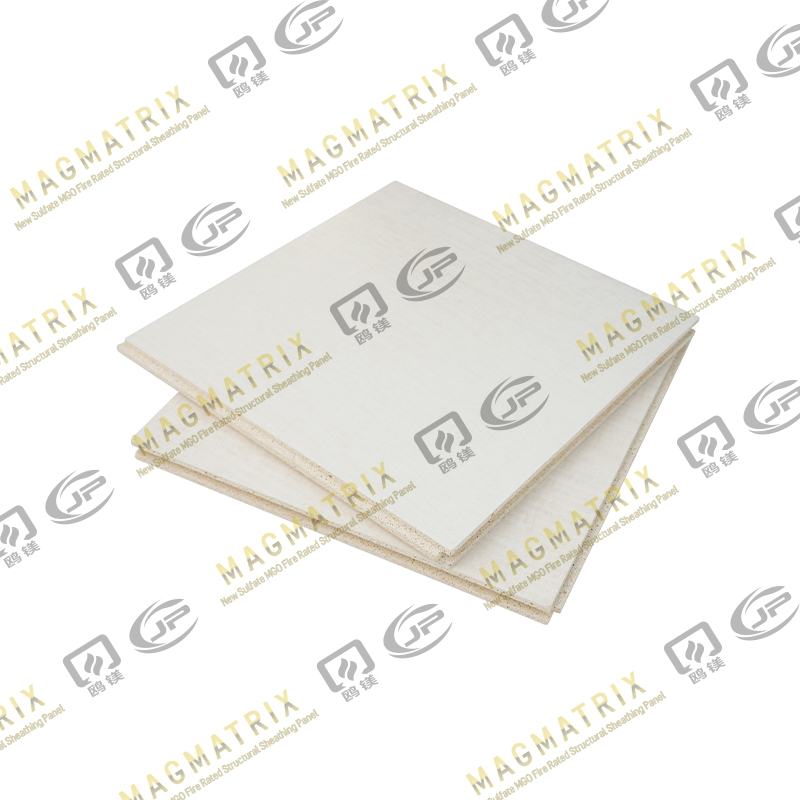
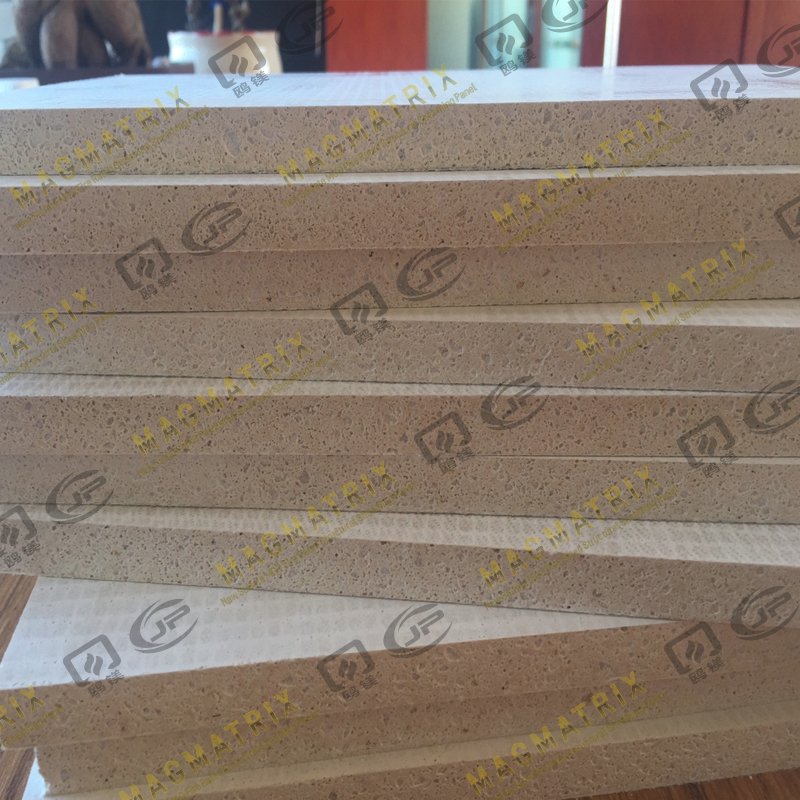 BMSC 517 Neues Sulfat -MGO -Vorstand
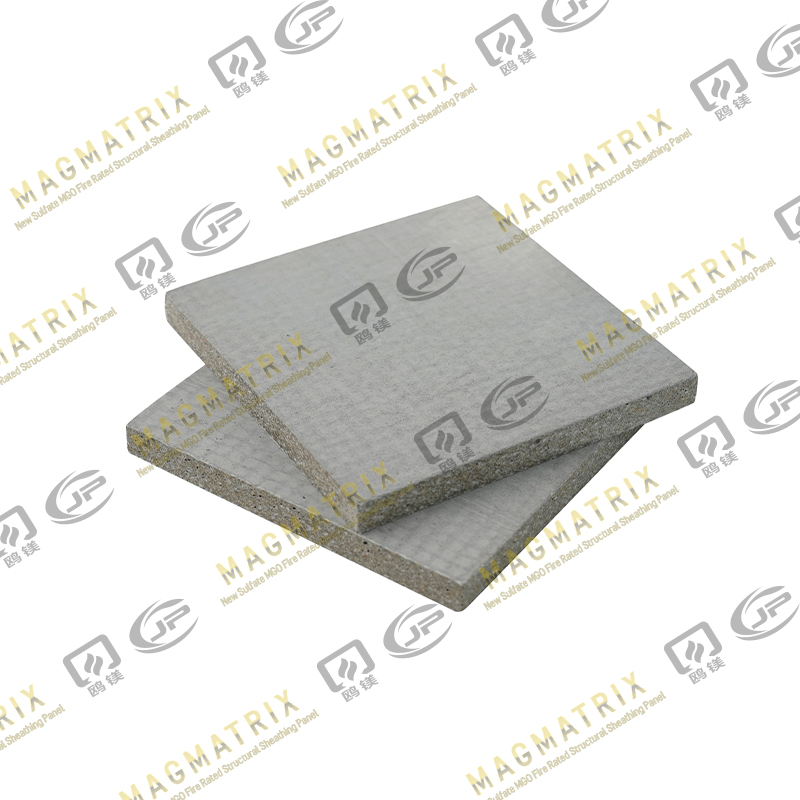 Multi-Support-Mgo-Wandumleitungsplatte
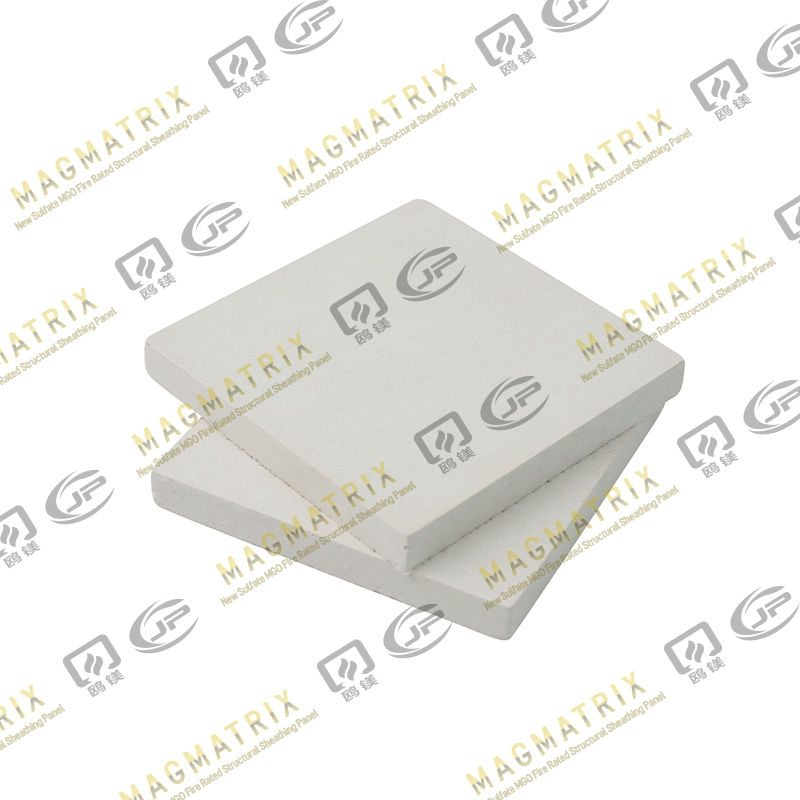 Ausdauer Mgo Wandumleitungsplatte
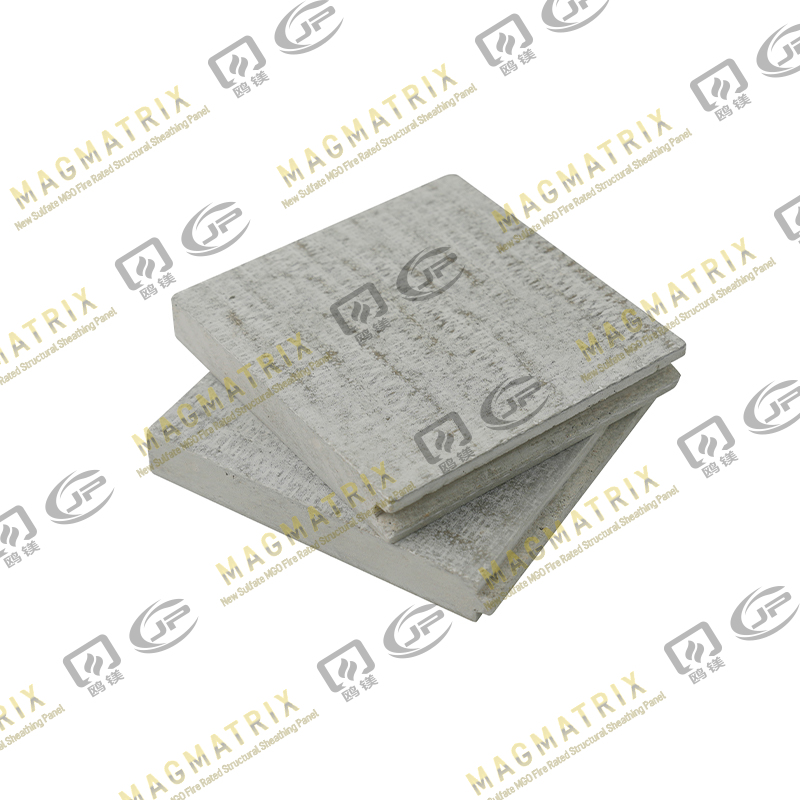 Multi-Support-MGO-Unterbodenformplatte
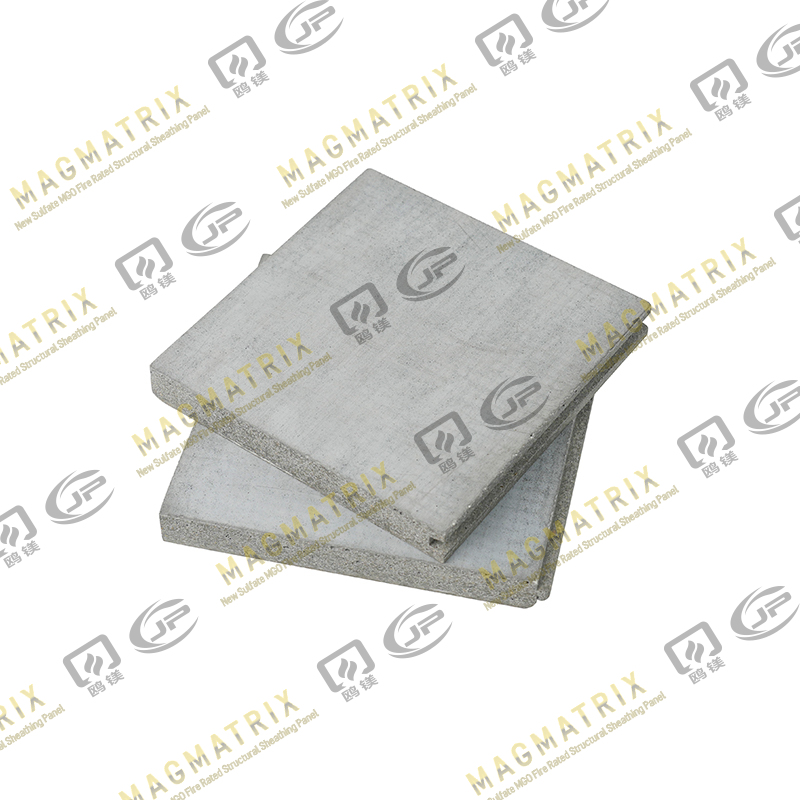 Ausdauer MGO -Unterbodenformplatte
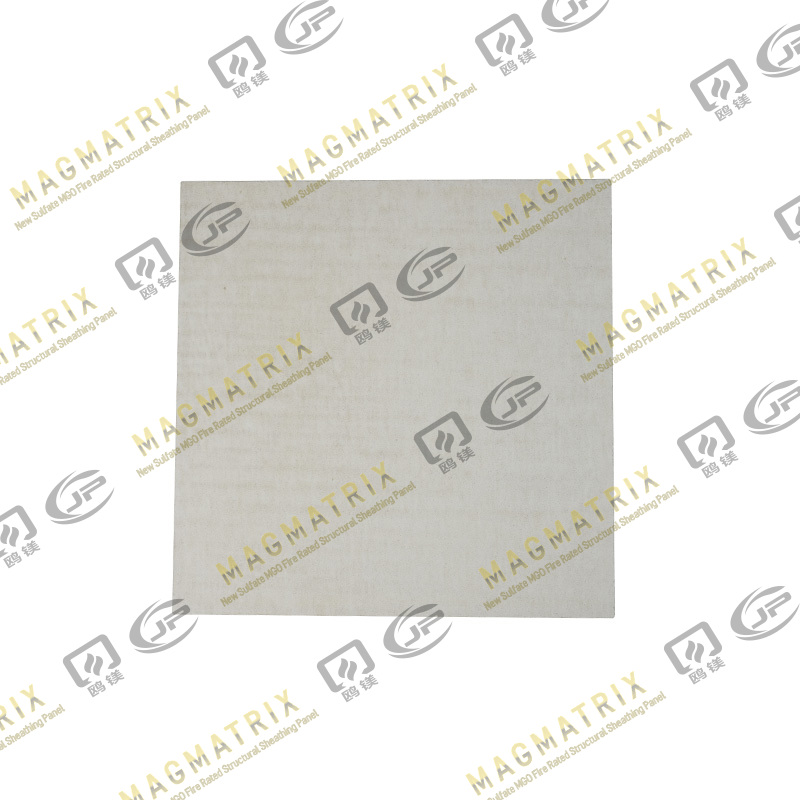 Magmatrix Mgo Unterlagung/Board